

Adaptation Options at the National Level
Discover strategies and solutions tailored to different regions and sectors.
Adaptation strategies by district
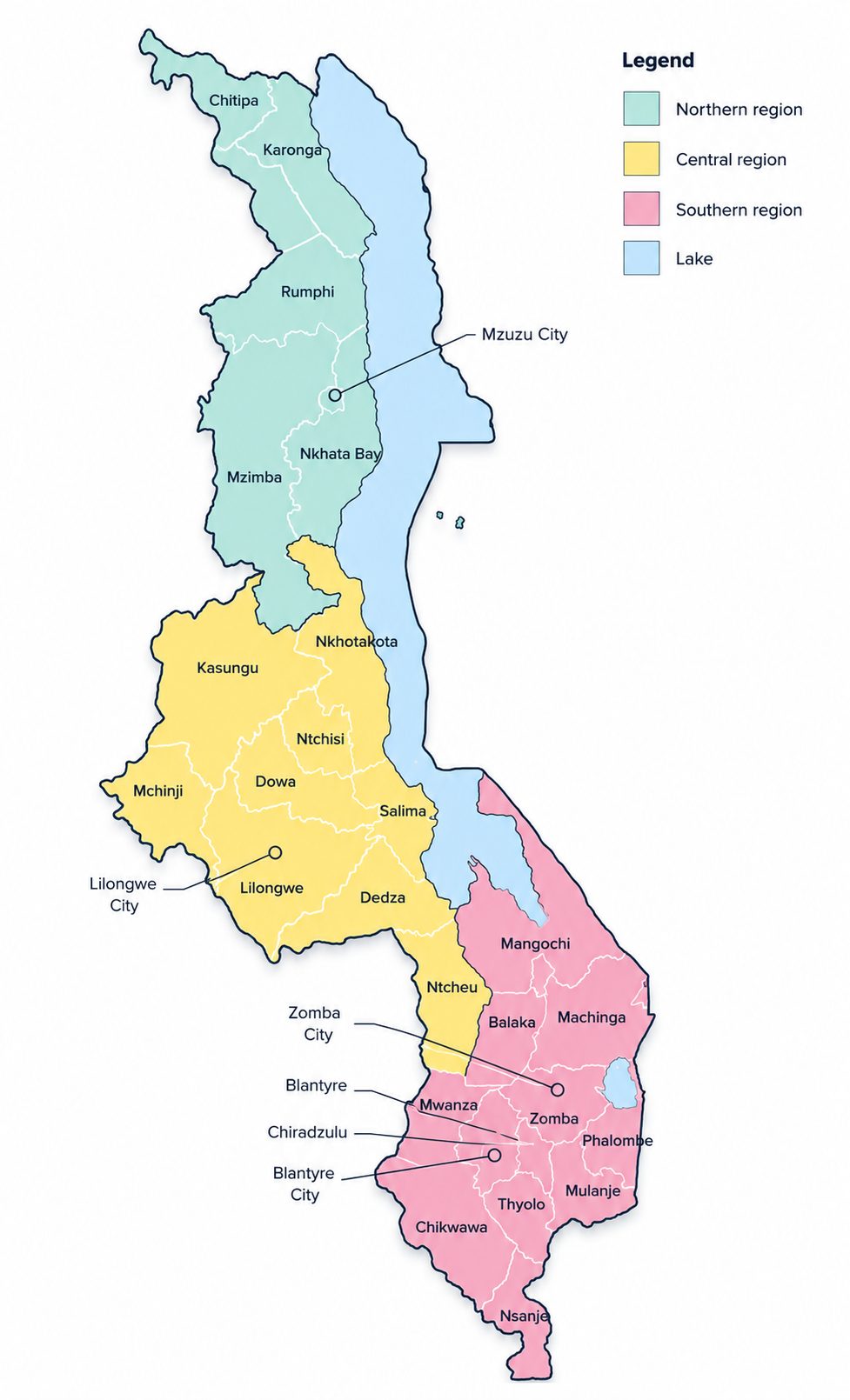
Malawi’s national approach
Climate change is already affecting Malawi, and the country must take action to adapt and protect its people, economy, and environment.
Adaptation strategies should consider climate projections, vulnerabilities, and socio-economic development priorities while remaining practical and achievable.
Malawi’s approach is organised around five key areas:
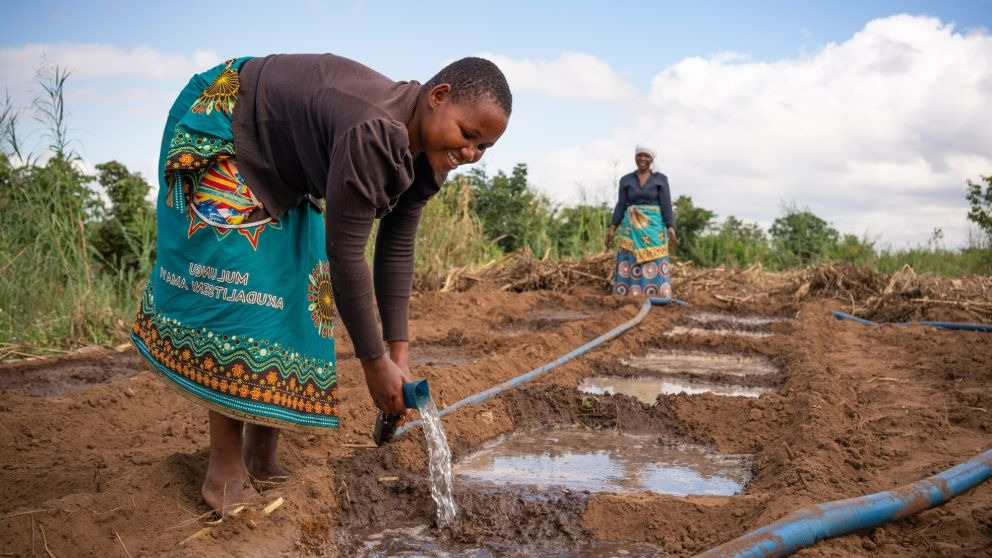
Building Adaptive Capacity
Strengthening institutions, governance, and knowledge-sharing to improve resilience.
Enhancing Resilience
Protecting communities and ecosystems from climate risks.
Replacing Harmful Activities
Phasing out unsustainable practices that worsen climate impacts.
Doing Things Differently
Adjusting existing activities to make them more climate-smart.
Innovating with New Solutions
Developing and implementing novel approaches to climate adaptation.
These efforts work together to drive transformational change, ensuring sustainable development while minimizing the risks posed by climate hazards.
National adaptation strategies in detail
Expand each area to see the concrete actions Malawi can take.
Strengthening Adaptive Capacity
To adapt effectively, Malawi must build strong institutions and governance systems, including a National Climate Agency to coordinate initiatives, integrate research, and ensure efficient use of resources.
- Centralize climate data and provide updates to the public and policymakers.
- Improve early warning systems for extreme weather preparedness.
- Ensure funding is directed toward impactful adaptation initiatives.
- Work with research institutions to develop Malawi-specific climate solutions.
A proposed National Climate Information Centre would act as a hub for data, reports, and guidance on climate risks and adaptation strategies.
Gender and Inclusive Adaptation
Adaptation efforts must address the needs of all citizens, particularly vulnerable groups such as women, disabled individuals, and communities living in high-risk areas.
- Create a gender task force to integrate women into climate decision-making.
- Support women-led agriculture cooperatives and climate-smart farming.
- Ensure fair access to resources and leadership opportunities for marginalized communities.
Enhancing Resilience to Climate Change
Malawi is exposed to floods, droughts and cyclones. Key adaptation actions can strengthen resilience and reduce losses.
- Climate Risk Insurance: trial programmes to protect farmers from crop losses, with potential support from ARC and ACRIFA.
- Adaptation Learning Centres: centres in all 28 districts to provide climate data, training and community support.
- Disaster Risk Reduction: relocation from flood-prone areas with fair compensation and support.
Replacing Harmful Activities
Phasing out unsustainable practices is critical for long-term adaptation success.
- Promote agroforestry and reforestation instead of deforestation and unsustainable land use.
- Regulate overfishing and introduce sustainable fishing practices.
- Reduce reliance on charcoal and firewood through clean energy alternatives such as biogas and solar cooking.
- Improve water management through rainwater harvesting and reduced groundwater over-extraction.
Doing Things Differently
Existing activities must become more climate-smart to enhance resilience without requiring complete systemic overhauls.
- Climate-Smart Agriculture: conservation agriculture, crop diversification and irrigation.
- Resilient Infrastructure: climate risk assessments in new infrastructure projects.
- Improved Water Management: water conservation, rainwater harvesting and efficient irrigation.
- Early Warning Systems: wider coverage and better accessibility of timely alerts.
Innovating with New Solutions
Novel approaches are needed to stay ahead of emerging climate risks while supporting sustainable growth.
- Precision Agriculture: remote sensing and automated irrigation to optimize water and land use.
- Nature-Based Solutions: wetland restoration and green infrastructure.
- Renewable Energy: solar and wind energy expansion.
- Climate-Resilient Urban Planning: heat-resistant materials, green spaces and improved drainage.
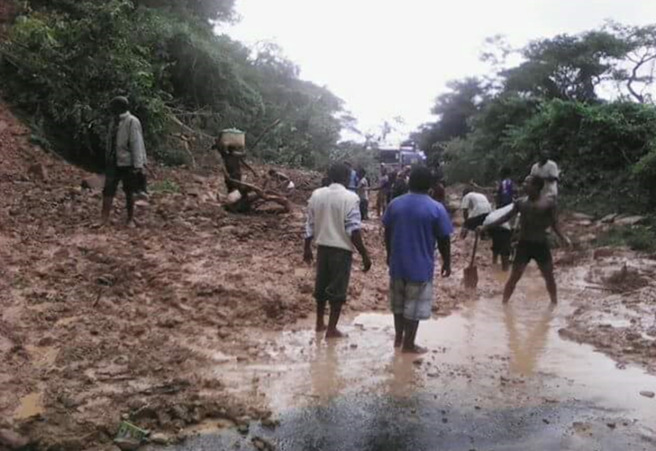
Sectoral risks & adaptation strategies
Select a sector to explore its climate risks and adaptation strategies.
Key Risks
- Droughts/Dry spells
- Floods
- Extreme heat
- Crop failure
- Pests and diseases
- Soil degradation/erosion
- Reduced crop yields
- Water scarcity
Adaptation Strategies
- Drought tolerant crops
- Afforestation/Reforestation
- Climate smart agriculture
- Conservation agriculture
- Improve soil fertility
- Rainwater harvesting
- Irrigation schemes
- Crop diversification
Key Risks
- Damage to fish ponds/habitats
- Siltation of breeding grounds
- Overfishing
- Pollution
- Reduced fish stocks
Adaptation Strategies
- Sustainable fishing practices
- Protect/restore aquatic habitats
- Aquaculture development
- Reduced pollution
- Monitoring and regulation
- Research on resilient species
Key Risks
- Deforestation
- Forest fires
- Pests and diseases
- Soil erosion
- Biodiversity loss
- Reduced productivity
Adaptation Strategies
- Sustainable forest management
- Reforestation
- Community forest management
- Fire prevention and control
- Pest and disease control
- Conserve genetic resources
- Agroforestry promotion
Key Risks
- Damage from extreme weather events
- Sea level rise impacts
- Increased maintenance costs
- Transportation disruption
Adaptation Strategies
- Climate-resilient infrastructure
- Flood and storm defences
- Early warning systems
- Emergency preparedness plans
- Robust materials
- Upgrading and maintenance
Key Risks
- Health impacts
- Food and water insecurity
- Livelihood and income losses
- Displacement and migration
Adaptation Strategies
- Healthcare system strengthening
- Access to water and sanitation
- Livelihood diversification
- Social safety nets
- Awareness raising and capacity building