

Adaptation Options › Districts
Rumphi District – Climate Adaptation Information
Discover strategies and solutions tailored to different regions and sectors.
Overview & Priorities
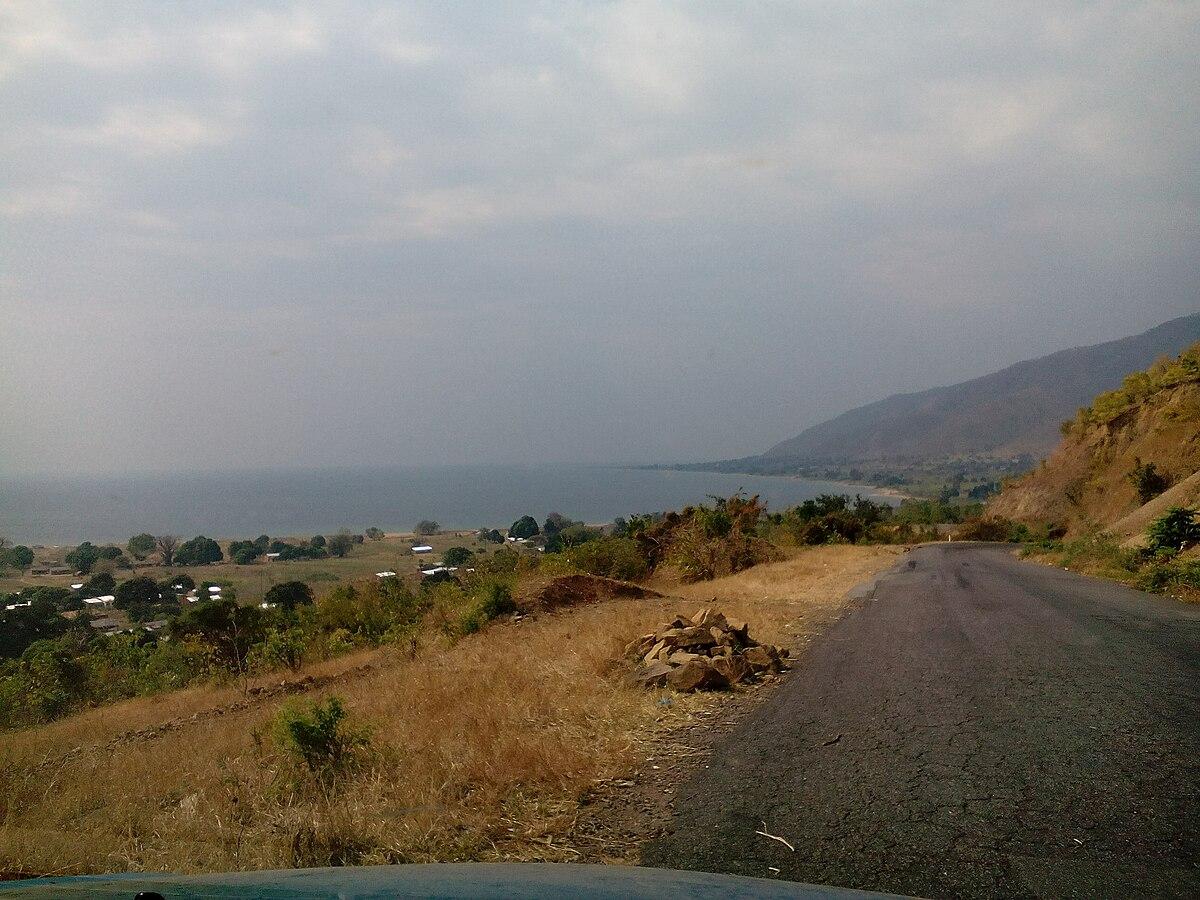
Rumphi District, located in northern Malawi, is highly vulnerable to droughts, floods, extreme heat, storms, and landslides, all of which impact agriculture, water availability, infrastructure, and livelihoods. Factors such as deforestation, poor land-use planning, and weak enforcement of climate regulations exacerbate these issues. Key priorities include improving water resource management, promoting sustainable forestry, enhancing disaster preparedness, strengthening climate-smart agriculture, and diversifying livelihoods.
Adaptation options
No regret 1
- Promote tree planting to create tree cover and green space.
Win-win 11
- Promoting rainwater harvesting and developing water storage facilities in locations where farers can easily access water for their crops.
- Développe,g irrigation facilités to tenable farmers to grow crops during shortage of rainfall using modern farming methods
- Developing sourcing drought tolerant crop varieties
- Promoting afforerstation and tree regeneration to increase vegetation cover in Rumphi District
- Improve catchment management and build rainwater storage facilities
- Carry out vector control activities
- Installing or upgrading infrastructure to protect against flooding
- Construction of fish ponds, should be done to adapt to flooding by constructing on well chosen sites
- Depth of fish ponds should be increased to reduce drying of fish ponds when insufficient rain or dry spell/ drought happens
- Use of water-resistant materials for floors, walls and fixtures, and the sitting of electrical controls, cables and appliances at a higher than normal level.
- Promote planting of heat tolerant tree varieties in the district.
Flexible 4
- Raise pumps at wastewater treatment plants to increase allowable water level during flooding
- Raise street level to prevent flooding
- Install better flood defenses such as flood barriers to withstand the flood water
- Prevent building high-risk areas (e.g. flood plains) when locating people and assets
Sectoral risks & adaptation strategies
Select a sector to explore its climate risks and adaptation strategies.
Key Risks
- Droughts and dry spells reducing water availability for crops
- Soil degradation and erosion decreasing fertility
- Increased pests and diseases due to extreme heat
- Crop failure from erratic rainfall
Adaptation Strategies
- Drought-resistant cropsPromote early-maturing and heat-tolerant varieties such as millet and sorghum
- Rainwater harvestingConstruct storage facilities like artificial dams and underground chambers
- Climate-smart agricultureEncourage conservation tillage, crop rotation, and intercropping
- Soil conservationPlant vetiver grass and implement agroforestry practices
- Livelihood diversificationEncourage alternative farming activities such as poultry and beekeeping
Key Risks
- Drying of fish ponds during prolonged dry spells
- Flooding washing away fish stocks and damaging breeding areas
- Increased water temperatures affecting fish health
Adaptation Strategies
- Sustainable aquacultureDevelop climate-resilient pond designs and introduce heat-tolerant fish species
- Water conservationRestore wetlands and riverbanks to stabilize aquatic habitats
- Fisheries regulationImplement seasonal fishing bans and improve breeding ground management
- Alternative livelihoodsTrain fishing communities in small-scale agribusinesses
Key Risks
- Widespread deforestation leading to soil erosion
- Increased wildfire risks due to higher temperatures
- Loss of biodiversity and carbon sequestration capacity
Adaptation Strategies
- Afforestation and reforestationExpand tree-planting campaigns and restore degraded forest areas
- Participatory forest managementEngage local communities in conservation efforts
- Alternative energy adoptionPromote fuel-efficient stoves, LPG, and solar cooking
- Fire prevention programsEstablish firebreaks and conduct awareness campaigns
Key Risks
- Flooding damaging roads and bridges
- Weak infrastructure in flood-prone areas
- Landslides destroying buildings and displacing communities
Adaptation Strategies
- Flood-resilient infrastructureImprove road drainage, elevate buildings, and construct flood barriers
- Disaster-proof housingPromote landslide-resistant construction techniques and proper urban planning
- Catchment managementReinforce steep slopes with trees and vegetation to prevent erosion
- Early warning systemsExpand weather monitoring stations and mobile-based alerts
Key Risks
- Increased poverty due to climate-related job losses
- Health risks from heatwaves and poor sanitation
- Malnutrition from declining food production
Adaptation Strategies
- Social safety netsExpand food security programs and climate risk insurance
- Community training programsEducate residents on climate adaptation and emergency preparedness
- Health system strengtheningImprove medical facilities and provide climate-resilient healthcare services
- Water resource managementExpand borehole drilling and rainwater harvesting