

The Landslide Chronicles
A community at risk in Rumphi District
A Fragile Landscape Under Growing Pressure
In northern Malawi, between the steep hills and the waters of Lake Malawi, the district of Rumphi has long been known for its striking landscapes, fertile valleys, and farming communities.
For generations, people in Rumphi depended on the land for food, income, and stability. The hillsides supported crops, forests helped protect the soil, and rainfall sustained livelihoods.
But over time, this balance has become more fragile. As rainfall has become more intense and forest cover has declined, the slopes have become increasingly unstable.
Land that once supported farming has become more exposed to erosion and landslides. The loss of trees has weakened the soil’s ability to absorb water and hold together during heavy rains. What was once a source of life and productivity has, in some areas, become a growing source of risk.
When the Slopes Gave Way
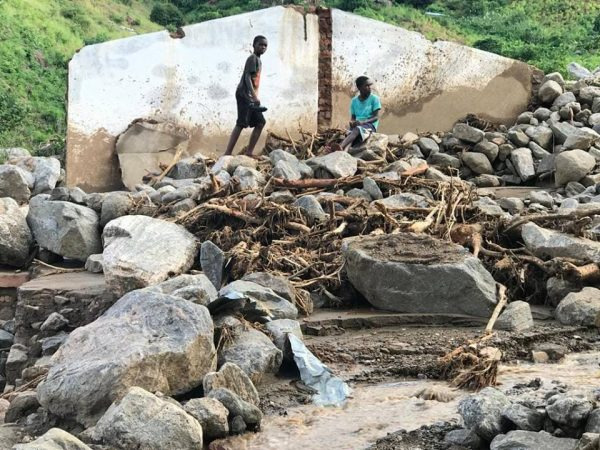
On 20 April 2019, Rumphi experienced the devastating consequences of this growing vulnerability.
In areas where the steep escarpments of the Nyika Plateau descend toward the valleys below, intense rainfall saturated already fragile soils. As the ground became unstable, sections of the mountainside collapsed. Landslides moved rapidly down the slopes, damaging homes, farmland, and village infrastructure in their path.
The impact was immediate and severe. Houses were destroyed, fields were buried, and communities were cut off as roads and footpaths were blocked or washed away. Rescue efforts were extremely difficult, as debris and damaged access routes prevented teams from reaching affected households quickly.
Three people lost their lives, five others were reported missing, and many were injured, including children and elderly residents.
A Recurrent and Intensifying Hazard
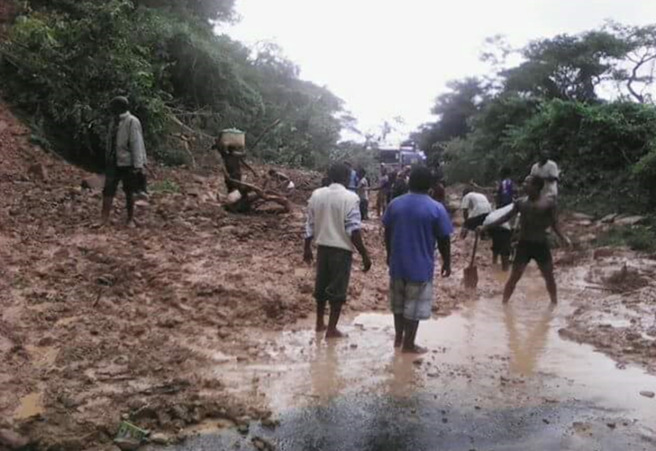
The 2019 disaster was not an isolated event. Landslides have affected Rumphi for many years, and their frequency appears to be increasing as heavy rainfall, steep slopes, land degradation, and soil instability interact.
In 2003, the Ntchenachena and Chiweta areas experienced one of the most striking examples of this risk. After 206 mm of rainfall fell in just two days, the soil became heavily saturated and unstable. In total, 98 landslides were recorded.
Under such conditions, the land can quickly lose its strength. Waterlogged soils become unable to hold the slopes in place, causing sections of hillside to collapse and move downslope.
These repeated events show that landslide risk in Rumphi is shaped not only by individual storms, but also by longer-term pressures on the landscape, including deforestation, erosion, settlement in exposed areas, and increasingly intense rainfall.
Human Pressures Have Increased Exposure
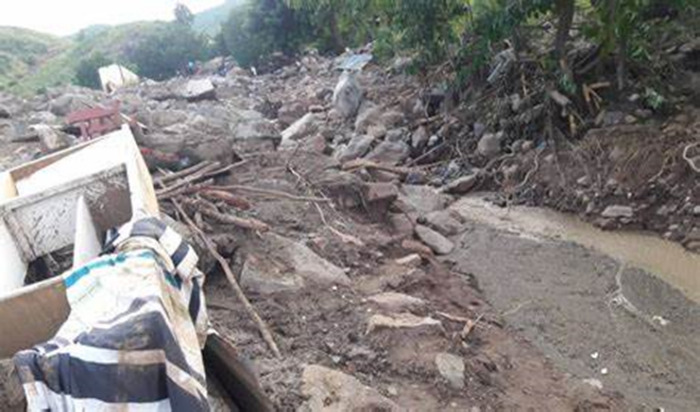
Natural conditions play an important role in Rumphi’s landslide risk, but human activities have also made the landscape more vulnerable.
As forests have been cleared for farming, charcoal production, and settlement expansion, the land has lost one of its most important natural protections. Tree roots help hold soil in place, slow runoff, and reduce erosion. When vegetation is removed, steep slopes become more exposed and less stable.
Mining and quarrying can weaken the terrain, disturb natural drainage patterns, and leave slopes more likely to collapse. At the same time, roads, homes, and schools have sometimes been built in high-risk areas without adequate environmental or landslide risk assessments.
The result is a dangerous combination: exposed slopes, weaker soils, more intense rainfall, and more people and infrastructure located in harm’s way.
The Human Cost of Landslides
Landslides do not only damage physical structures. They disrupt lives, livelihoods, and entire communities.
When a landslide occurs, families can lose their homes, belongings, food stocks, and sources of income within minutes. For rural households that depend on farming, the loss of agricultural land can be especially devastating.
The impacts often extend beyond the immediate disaster. Damaged roads can isolate communities from markets, schools, health centres, and emergency support.
For households with limited savings and little external support, recovery can be extremely difficult. Some families are forced to leave their communities and move to urban areas in search of safety, shelter, or work.
In this way, landslides can deepen poverty and displacement. Each event makes it harder for affected families to rebuild, and without stronger prevention, planning, and support systems, the cycle of risk continues.
Reducing Risk and Building Resilience
Rumphi’s hills do not have to remain a source of danger. With the right investments, planning, and community action, landslide risk can be reduced.
Reforestation is one of the most important measures. Restoring tree cover on hillsides can help stabilize soils, reduce erosion, slow runoff, and protect communities living below exposed slopes.
Land use planning is also essential. Settlements, roads, schools, and other infrastructure should avoid high-risk zones where possible. Where development is necessary, proper environmental and landslide risk assessments should guide construction.
Safer infrastructure can further reduce vulnerability. Roads, drainage systems, homes, and public buildings need to be designed with local terrain and rainfall risks in mind, especially in areas exposed to slope failure.
Early warning systems and disaster preparedness can also save lives. Communities need timely alerts, evacuation plans, safe shelters, and clear communication channels before heavy rainfall events occur.