
The Unbreakable Spirit of Chikwawa
A story of climate impacts, survival, recovery and resilience
Climate Extremes Are Now Part of Daily Life
In Chikwawa, climate change is no longer a distant threat. It is already shaping everyday life.
As temperatures rise above 40°C, Jane stands on land that once supported a productive maize field. Today, the soil is dry and cracked, and the crops have failed. Only months earlier, her community had faced the opposite extreme: severe floods that damaged homes, swept away livestock, and forced thousands of families to leave their villages.
More than 200,000 people were displaced. Now, prolonged dry conditions are placing further pressure on households that had already lost much of what they depended on.
Chikwawa, home to more than 500,000 people, has faced repeated climate shocks over the past decade. Floods, droughts, and heatwaves are no longer isolated events. They are recurring hazards that increasingly overlap, leaving communities with less time to recover between crises.
Repeated Disasters and Damaged Infrastructure
Chikwawa has experienced several major climate-related disasters in recent years.
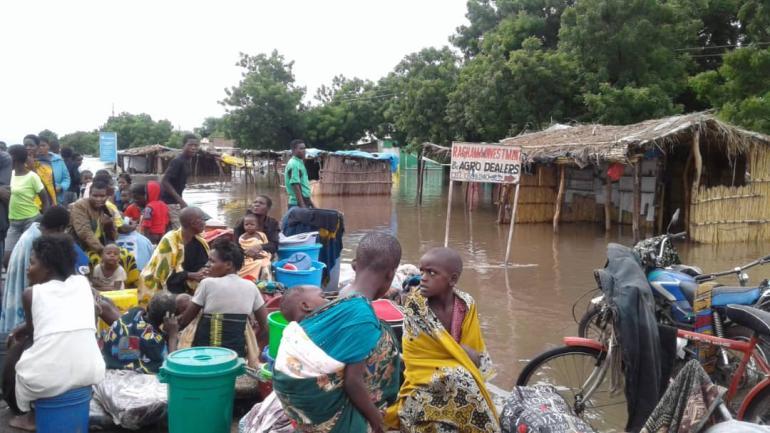
In 2015, severe flooding destroyed villages, killed at least 176 people, and displaced tens of thousands. Many residents were forced to seek refuge in trees as floodwaters rose around them.
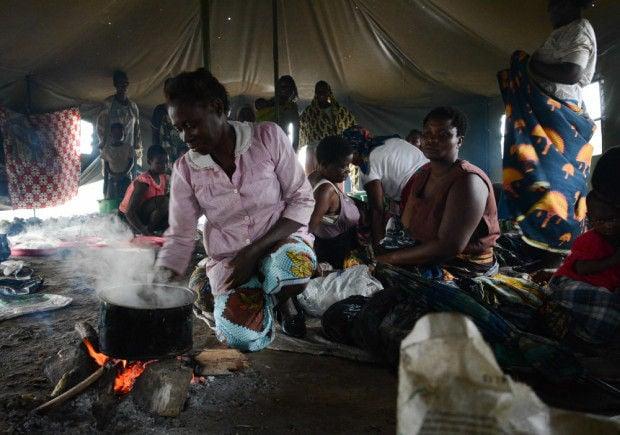
Four years later, Cyclone Idai caused further catastrophic damage. Tropical Storm Ana in 2022 and Cyclone Freddy in 2023 brought renewed flooding, destroying more than 42,000 hectares of crops and forcing families into temporary shelters.
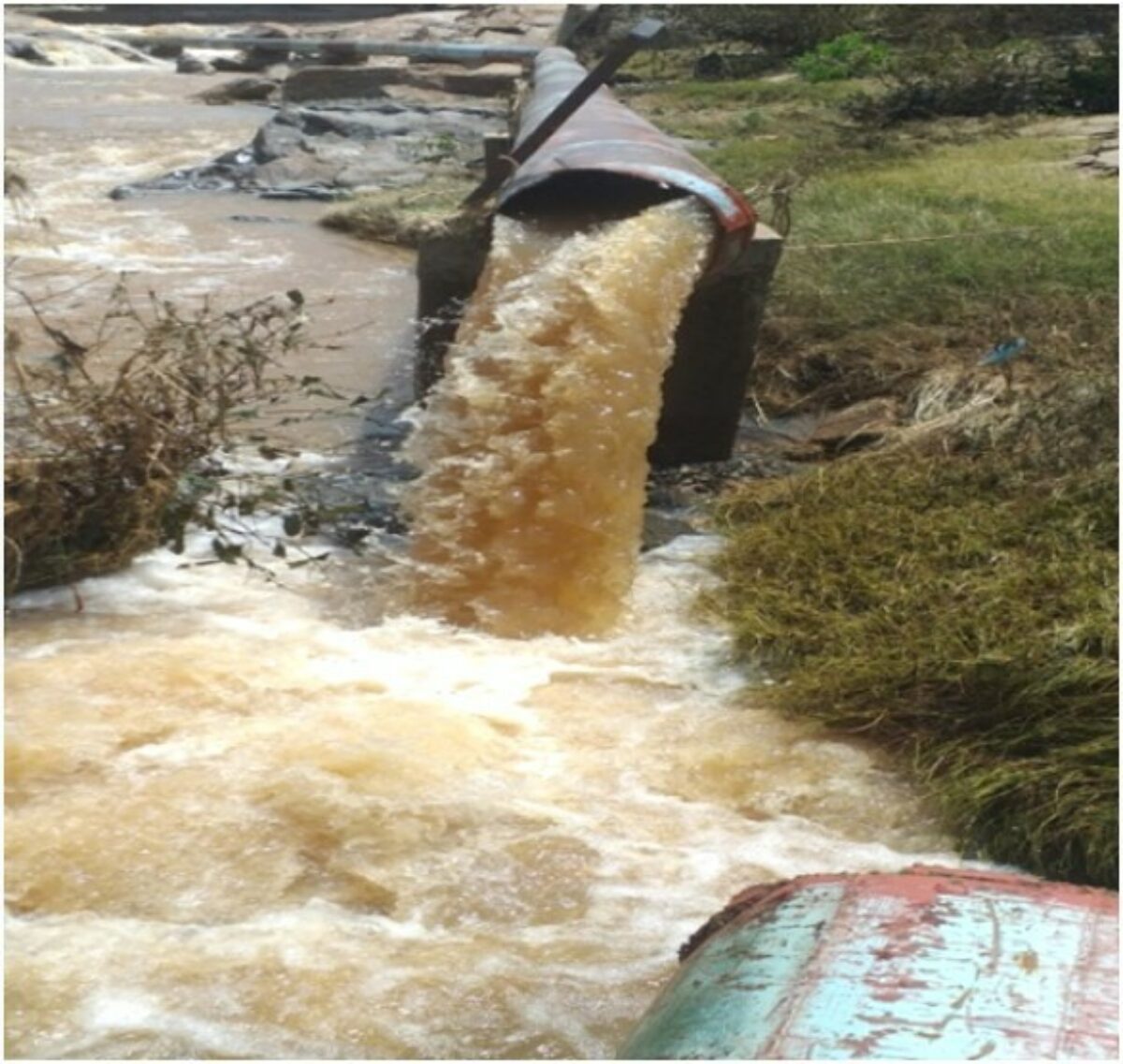
Roads and bridges collapsed, cutting off entire communities from food, health services, and emergency support. Floods, however, are only part of the crisis. Heatwaves and droughts can be just as damaging, increasing health risks and placing additional stress on already fragile livelihoods.
Food Insecurity and Health Emergencies
For Jane, survival has required difficult choices.
With her crops destroyed, she had to borrow food, despite knowing she might never be able to repay the debt. Some nights, she went to bed hungry so that her children could eat.
After severe droughts in 2005 and 2016, around 40% of Chikwawa’s population faced food insecurity. For families dependent on rainfed agriculture, repeated crop failure can quickly become a long-term crisis.
After floods, stagnant water creates conditions for malaria and cholera to spread rapidly. Damaged health centres struggle to provide care, while broken roads delay access to treatment.
Cascading Losses Across Livelihoods and Ecosystems
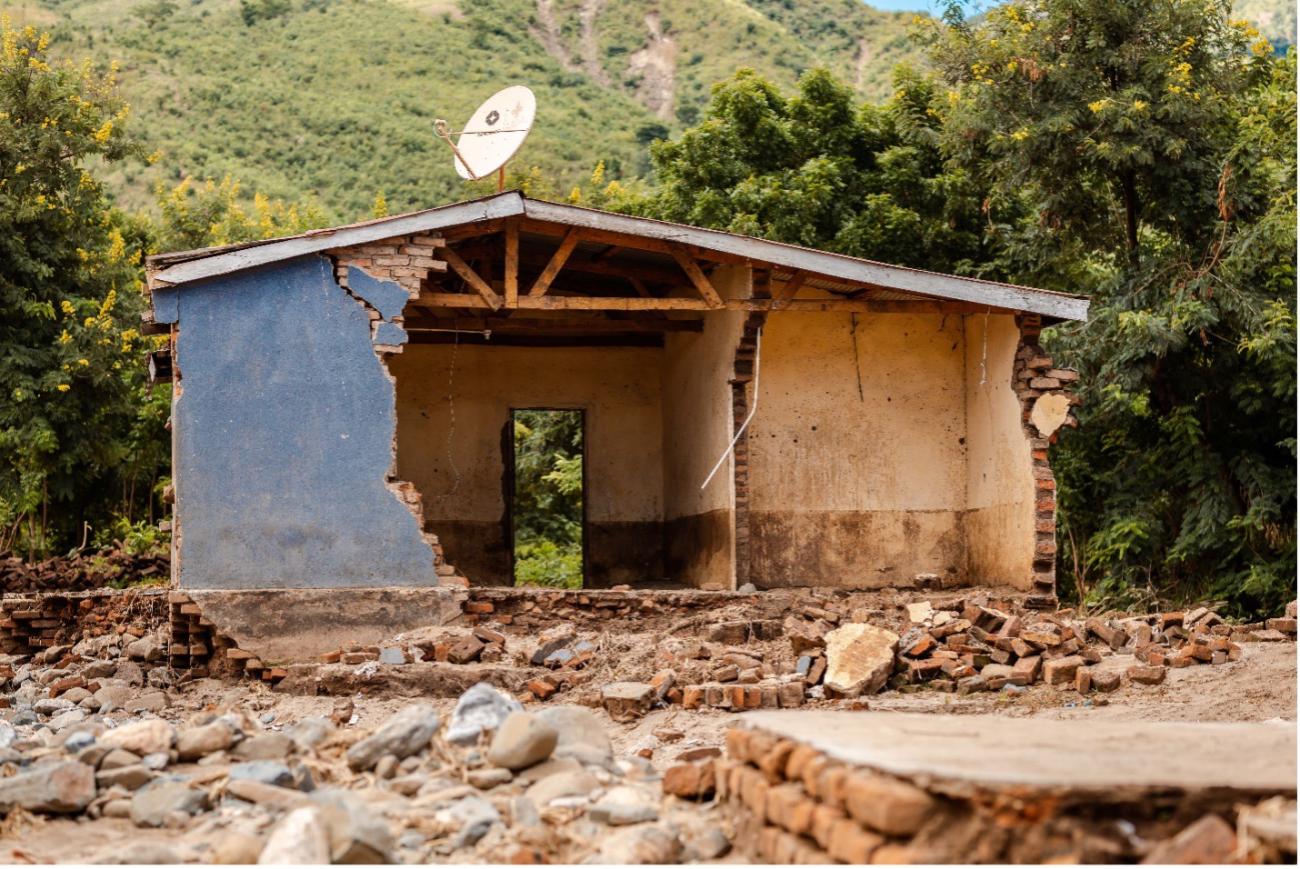
Beyond the immediate human suffering, repeated climate shocks have placed severe pressure on Chikwawa’s economy, ecosystems, and long-term resilience.
Agriculture has been heavily affected. In 2022 alone, around 42,000 hectares of crops were lost, while recurrent droughts had already made food production increasingly unstable.
Livestock losses further weakened household livelihoods. More than 25,444 animals were swept away, representing an estimated financial loss of MK1.36 billion, or approximately USD 1.2 million.
Environmental degradation is also increasing vulnerability. The loss of vegetation reduces the landscape’s ability to retain water, stabilize soils, and protect communities against floods, erosion, and extreme heat.
Community Adaptation and Recovery in Practice
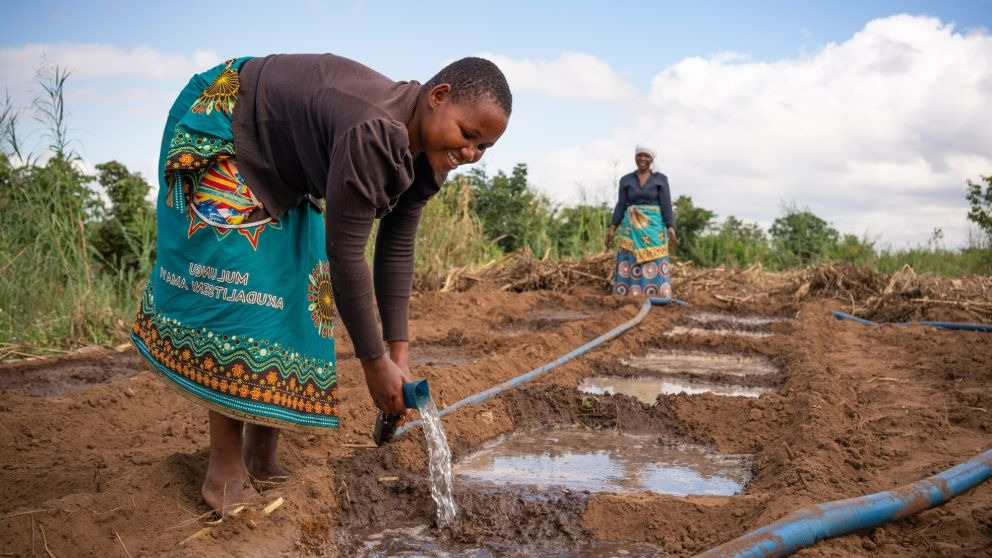
Despite the scale of destruction, communities in Chikwawa have not remained passive. Families, farmers, and local leaders are finding practical ways to reduce risk and rebuild livelihoods.
Community-led irrigation schemes are helping farmers maintain production when rainfall is delayed or insufficient. Tree planting initiatives are restoring degraded landscapes, reducing erosion, protecting soils, and helping communities buffer the impacts of floods and droughts.
For women like Chifuniro Chisale, access to simple irrigation technologies such as treadle pumps has transformed household resilience. Once facing food insecurity, she is now better able to grow crops during dry periods and provide more reliably for her family.
Rebuilding Differently for Long-Term Resilience
As Jane walks past the remains of her former home, she knows that Chikwawa’s struggle with climate extremes is far from over. Floods, droughts, heatwaves, and disease outbreaks will continue to test the district’s resilience.
But she also knows that her community is not starting from nothing. It has knowledge, solidarity, and a growing capacity to adapt.
Through stronger early warning systems, climate-smart agriculture, ecosystem restoration, improved infrastructure, and sustained community determination, Chikwawa is beginning to rebuild differently.
For the people of Chikwawa, adaptation is not an abstract policy goal. It is the difference between losing everything and finding a way forward. It is the ability to protect families, sustain livelihoods, and face the next storm or drought with greater strength, confidence, and hope.