

Adaptation Options › Districts
Chikwawa District – Climate Adaptation Information
Discover strategies and solutions tailored to different regions and sectors.
Overview & Priorities
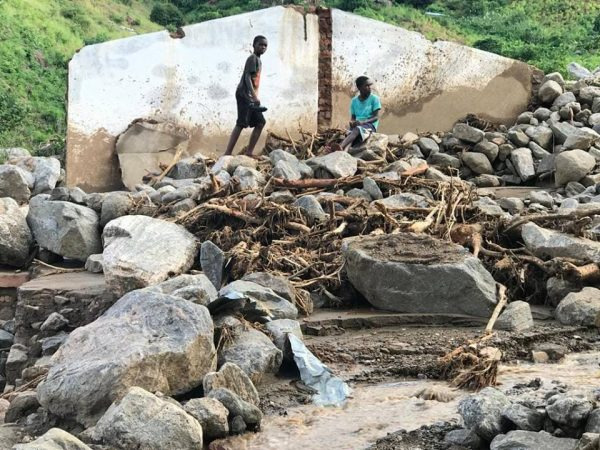
Chikwawa District, located in southern Malawi, is highly vulnerable to flooding, drought, heatwaves, and storms, with extreme climate events such as the 2022 floods displacing over 55,000 people. With deforestation, weak infrastructure, high poverty rates, and reliance on rainfed agriculture, adaptation is crucial. Key priorities include enhancing flood resilience, promoting climate-smart agriculture, strengthening fisheries and forestry management, improving disaster preparedness, and supporting social protection measures.
Adaptation options
No regret 3
- Reforestation programs
- Promote agroforestry
- Strengthen early warning systems
Low regret 3
- Subsidize alternative energy sources
- Strengthen law enforcement to curb illegal logging
- Provide training for sustainable woodlots
Win-win 9
- Diversify livelihoods beyond agriculture
- Promote climate-smart agriculture
- Improve irrigation infrastructure
- Establish community grain banks
- Provide index-based crop insurance
- Mainstreaming climate adaptation into development plans
- Improving access to climate risk financing
- Investing in human capital
- Establishing community climate adaptation committees
Flexible 5
- Improve road designs in flood-prone areas
- Construct adequate drainage systems
- Develop evacuation shelters
- Enforce building codes and standards
- Retrofit and climate-proof critical facilities
Sectoral risks & adaptation strategies
Select a sector to explore its climate risks and adaptation strategies.
Key Risks
- Frequent droughts and dry spells
- Crop failure due to erratic rainfall
- Soil erosion and declining fertility
- Flood damage to crops and irrigation systems
Adaptation Strategies
- Drought-tolerant cropsIntroduce cassava, millet, and sorghum to enhance resilience
- Climate-smart agricultureEncourage conservation tillage, mulching, and intercropping
- Irrigation expansionDevelop solar-powered pumps and small-scale irrigation schemes
- Rainwater harvestingBuild storage ponds and reservoirs for supplementary irrigation
- Soil fertility managementPromote organic composting, manure application, and agroforestry
- Flood-resistant farming techniquesImplement raised-bed farming and early-maturing crop varieties
Key Risks
- Habitat destruction from floods and siltation
- Overfishing reducing fish stocks
- Increased water temperature affecting fish breeding
Adaptation Strategies
- Sustainable fishing practicesEnforce seasonal fishing bans and gear regulations
- Aquaculture developmentExpand fish farming projects to reduce reliance on wild fisheries
- Habitat protectionRestore degraded riverbanks and promote wetland conservation
- Water quality managementPromote sustainable waste disposal to reduce water pollution
Key Risks
- High deforestation rates due to charcoal production
- Increased wildfires in dry seasons
- Loss of biodiversity and soil degradation
Adaptation Strategies
- Community-based forest managementTrain local groups to monitor and manage forests
- Reforestation and agroforestryPlant indigenous trees and integrate trees into farmland
- Alternative energy sourcesPromote solar cooking and LPG subsidies to reduce charcoal dependence
- Fire prevention programsConduct community awareness campaigns and establish firebreaks
Key Risks
- Flooding damages roads and bridges
- Poor drainage systems cause waterlogging in settlements
- Storms and heatwaves impact public buildings
Adaptation Strategies
- Climate-resilient roads and bridgesElevate flood-prone roads and reinforce bridge structures
- Improved drainage systemsConstruct lined canals and stormwater management systems
- Disaster-resilient housingEncourage flood-resistant construction techniques and elevated housing
- Early warning systemsExpand automated weather monitoring and mobile alerts
- Evacuation sheltersEstablish well-equipped shelters with food, water, and medical supplies
Key Risks
- Increased poverty due to climate shocks
- Malnutrition and food insecurity
- Health risks from extreme weather and poor sanitation
Adaptation Strategies
- Livelihood diversificationPromote alternative income sources like poultry farming and agro-processing
- Social safety netsExpand climate risk insurance and emergency relief funds
- Community awareness programsEducate local populations on climate adaptation and disaster preparedness
- Health system strengtheningEnsure health facilities are climate-proofed and stocked with essential supplies