

Adaptation Options › Districts
Dedza District – Climate Adaptation Information
Discover strategies and solutions tailored to different regions and sectors.
Overview & Priorities
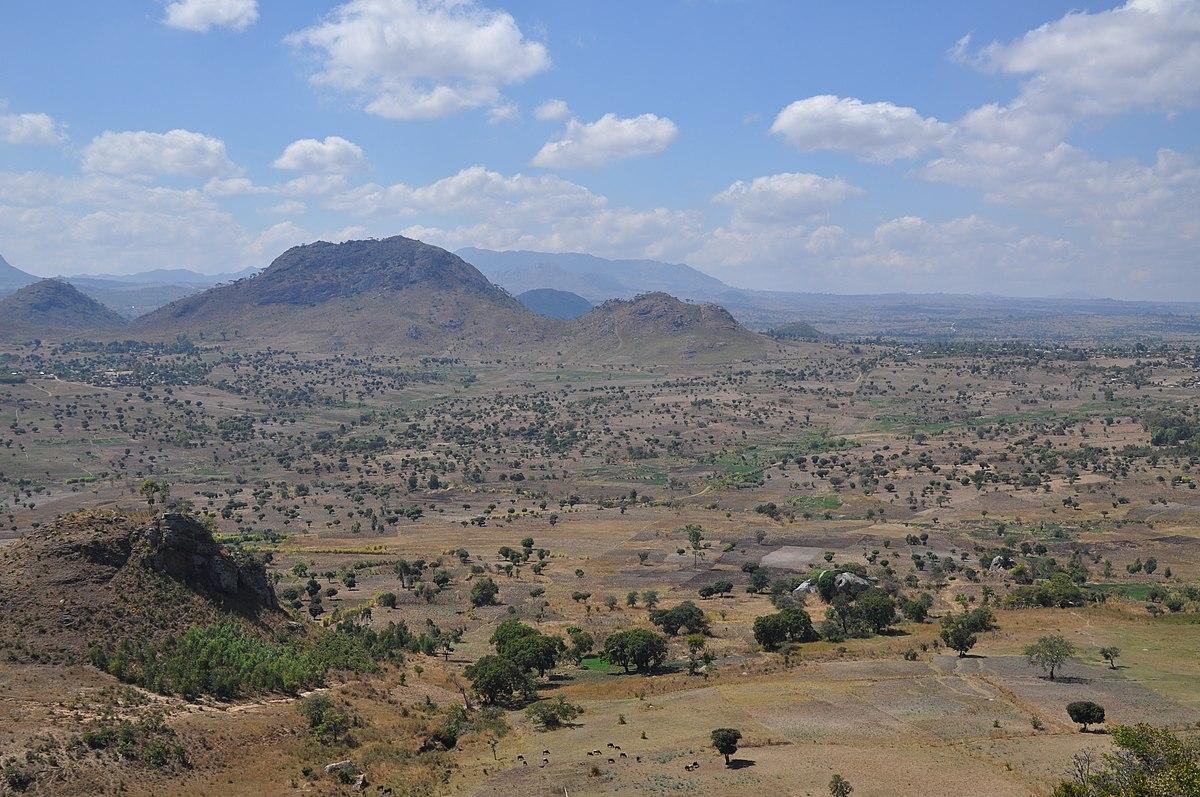
Dedza District faces droughts, irregular rainfall, dry spells, heavy rains, extreme temperatures, and strong winds, significantly impacting agriculture, infrastructure, and livelihoods. Deforestation, poor land-use planning, and reliance on rain-fed farming increase vulnerability. Key priorities include climate-smart agriculture, afforestation and reforestation, disaster-resilient infrastructure, alternative energy adoption, and livelihood diversification.
Adaptation options
No regret 7
- Proper land use planning
- Alternative sources of income
- Aforestation
- Climate smart Agriculture (CSA)
- Recruitment of Extension Officers
- Enforcement of by-laws
- Evacuation centres
Win-win 5
- Use of alternative energy sources
- Cimate smart aquaculture
- Subsidising of building materials
- Drought resistant crops
- Social safety net initiatives
Sectoral risks & adaptation strategies
Select a sector to explore its climate risks and adaptation strategies.
Key Risks
- Frequent droughts reducing crop yields
- Soil erosion and declining fertility
- Heavy rains damaging crops and farmland
- Pests and diseases affecting production
Adaptation Strategies
- Drought-resistant cropsPromote early-maturing and drought-tolerant varieties such as sorghum and millet
- Climate-smart agricultureUse contour bunds, conservation tillage, and crop rotation
- Rainwater harvestingDevelop reservoirs and improve irrigation efficiency
- AgroforestryIntegrate trees on farms to improve soil retention
- Integrated pest managementEncourage biological pest control and resistant crop varieties
Key Risks
- Drying of fish ponds due to drought
- Flooding washing away fish stocks
- Declining fish populations due to overfishing
Adaptation Strategies
- Sustainable aquacultureImprove pond design and promote climate-resilient fish species
- Water conservationImplement water storage facilities and wetland restoration
- Fisheries managementEnforce closed fishing seasons and gear restrictions
- Livelihood diversificationTrain fishing communities in alternative income activities
Key Risks
- High deforestation rates due to charcoal production and farming
- Increased soil erosion and land degradation
- Loss of biodiversity and natural resources
Adaptation Strategies
- Afforestation and reforestationExpand tree planting campaigns and protect communal forests
- Community-led forest managementTrain local committees on sustainable forestry practices
- Alternative energy promotionSubsidize LPG and fuel-efficient cookstoves
- Forest conservation bylawsEnforce legal measures against illegal logging
Key Risks
- Flooding damaging roads, bridges, and homes
- Strong winds destroying buildings
- Weak infrastructure in disaster-prone areas
Adaptation Strategies
- Disaster-resilient constructionPromote storm-resistant housing and proper urban planning
- Climate-proof roads and bridgesElevate roads and improve drainage systems
- Evacuation centersDevelop shelters equipped with emergency supplies
- Early warning systemsStrengthen meteorological monitoring and mobile alert systems
Key Risks
- Increased poverty due to climate-related job losses
- Malnutrition and food insecurity
- Health risks from extreme weather and poor sanitation
Adaptation Strategies
- Livelihood diversificationSupport alternative income activities like tailoring and poultry farming
- Social safety netsExpand climate risk insurance and food aid programs
- Community training programsEducate residents on disaster preparedness and adaptation
- Health system strengtheningUpgrade medical facilities and improve climate-proof water supply