

Adaptation Options › Districts
Salima District – Climate Adaptation Information
Discover strategies and solutions tailored to different regions and sectors.
Overview & Priorities
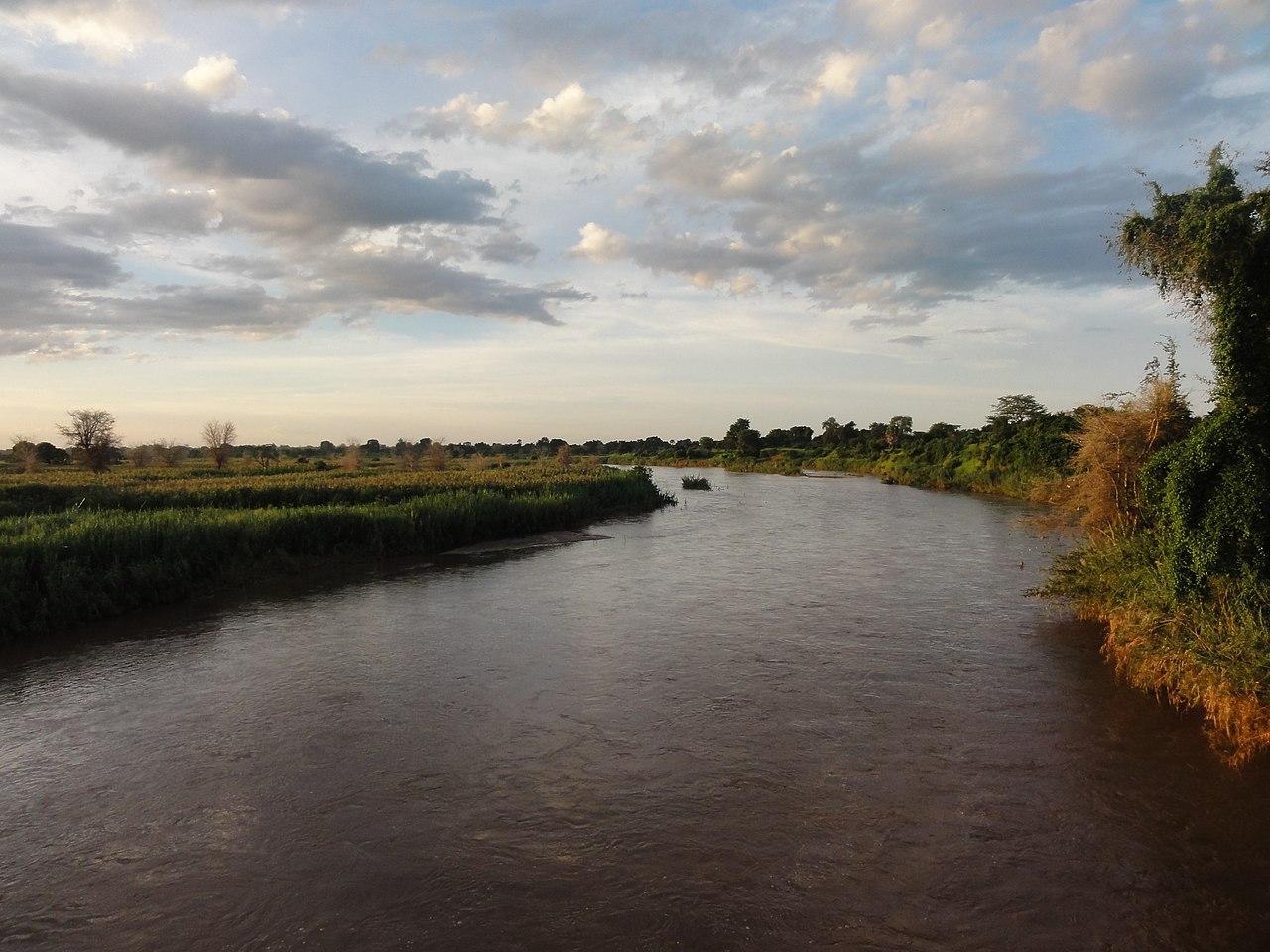
Salima District, located along the shores of Lake Malawi, experiences droughts, extreme heat, floods, and strong winds, posing significant risks to agriculture, fisheries, infrastructure, and social well-being. Factors like low altitude, poor land-use planning, and deforestation worsen these climate impacts. Key priorities include enhancing drought resilience, climate-smart agriculture, sustainable fisheries management, flood mitigation, and improving community-based disaster preparedness.
Adaptation options
No regret 8
- Proper land use planning
- Alternative sources of income
- Aforestation
- Climate smart Agriculture (CSA)
- Use of alternative energy sources
- Recruitment of Extension Officers
- Enforcement of by-laws
- Evacuation centres
Win-win 4
- Cimate smart aquaculture
- Subsidising of building materials
- Drought resistant crops
- Social safety net initiatives
Sectoral risks & adaptation strategies
Select a sector to explore its climate risks and adaptation strategies.
Key Risks
- Crop failure due to prolonged dry spells
- Loss of soil fertility from erosion
- Water scarcity for irrigation
- Flood damage to crops and livestock
Adaptation Strategies
- Drought-resistant cropsPromote resilient varieties like cassava, sorghum, and millet
- Climate-smart agricultureEncourage conservation tillage, mulching, and intercropping
- Irrigation infrastructureConstruct water harvesting facilities and solar-powered pumps
- AgroforestryIntegrate trees into farmland to improve soil moisture retention
- Land use zoningRestrict cultivation in flood-prone areas and promote soil conservation measures
Key Risks
- Drying of fish ponds during droughts
- Flood damage to fishing equipment and landing sites
- Increased water temperatures affecting fish breeding
Adaptation Strategies
- Climate-smart aquacultureConstruct deeper ponds to withstand dry periods
- Habitat protectionRestore wetlands and reforest degraded riverbanks
- Sustainable fishing practicesImplement seasonal fishing bans and gear restrictions
- Alternative livelihoodsTrain fishing communities in poultry farming and agro-processing
Key Risks
- Deforestation accelerating soil erosion
- Increased risk of wildfires
- Loss of biodiversity
Adaptation Strategies
- Reforestation and afforestationExpand tree planting campaigns and protect natural forests
- Community-led forest managementStrengthen local governance for sustainable forestry
- Alternative energy solutionsPromote LPG, solar cooking, and fuel-efficient stoves
- Fire prevention programsEstablish firebreaks and conduct awareness campaigns
Key Risks
- Roads and bridges damaged by floods
- Poor drainage leading to urban waterlogging
- High winds damaging buildings and utilities
Adaptation Strategies
- Flood-resilient infrastructureElevate roads and reinforce bridge structures
- Stormwater drainage systemsConstruct lined canals and improve urban planning
- Disaster-resilient housingPromote flood-resistant building designs
- Early warning systemsDeploy automated weather monitoring stations
- Evacuation centersEstablish well-equipped shelters in strategic locations
Key Risks
- Increased poverty due to climate-related job losses
- Food insecurity and malnutrition
- Water scarcity leading to hygiene and health issues
Adaptation Strategies
- Social safety netsExpand cash transfer programs and emergency relief aid
- Livelihood diversificationSupport small-scale businesses and vocational training
- Public awareness campaignsEducate communities on climate adaptation and disaster preparedness
- Water resource managementPromote borehole drilling and rainwater harvesting