

Adaptation Options › Districts
Balaka District – Climate Adaptation Information
Discover strategies and solutions tailored to different regions and sectors.
Overview & Priorities
Balaka District, located in southern Malawi, faces intensifying climate hazards, including droughts, floods, storms, and extreme heat, which threaten agriculture, infrastructure, and livelihoods. Unpredictable rainfall, deforestation, poor land use planning, and high poverty levels increase the district’s vulnerability. Key priorities include climate-smart agriculture, diversification of livelihoods, climate-resilient infrastructure, improved disaster risk management, and integrating climate information into community planning.
Adaptation options
No regret 4
- Agroforestry
- Climate resilient infrastructure development
- Skills development program for women and youth
- Strengthening climate information services
Low regret 2
- Crop diversification
- Crop insurance schemes
Win-win 4
- Conservation agriculture adoption and scaling
- Improving market access
- Investment into renewable energy systems
- Laws and by-lawssupporting improved land-use planning
Flexible 1
- Promoting livestock farming
Sectoral risks & adaptation strategies
Select a sector to explore its climate risks and adaptation strategies.
Key Risks
- Unpredictable rainfall leading to frequent droughts
- Soil degradation from poor land management
- Flood damage to crops and irrigation systems
- Overreliance on maize and other water-intensive crops
Adaptation Strategies
- Drought-tolerant cropsIntroduce cassava, millet, and sorghum to enhance resilience
- Climate-smart agricultureEncourage conservation tillage, mulching, and intercropping
- Irrigation developmentInvest in water harvesting techniques and solar-powered pumps
- AgroforestryPromote integration of trees on farms to improve soil health
- Soil conservationImplement vetiver grass planting, contour farming, and organic fertilizers
- Livelihood diversificationPromote small livestock farming and agribusiness ventures
Key Risks
- Habitat destruction due to floods and siltation
- Overfishing and declining fish stocks
- Increased water temperatures affecting fish breeding
Adaptation Strategies
- Sustainable fisheries managementEnforce fishing bans during breeding seasons
- Aquaculture promotionExpand fish farming projects to reduce reliance on natural fisheries
- Riparian conservationRestore riverbanks and wetlands to support fish habitats
- Water quality monitoringImprove waste management to prevent pollution in fisheries
Key Risks
- High rates of deforestation due to charcoal production and land clearing
- Increased wildfires in dry seasons
- Loss of biodiversity and soil degradation
Adaptation Strategies
- Community-led forest managementSupport local groups in monitoring and reforestation efforts
- Agroforestry and afforestationPromote indigenous tree planting and farm-forest integration
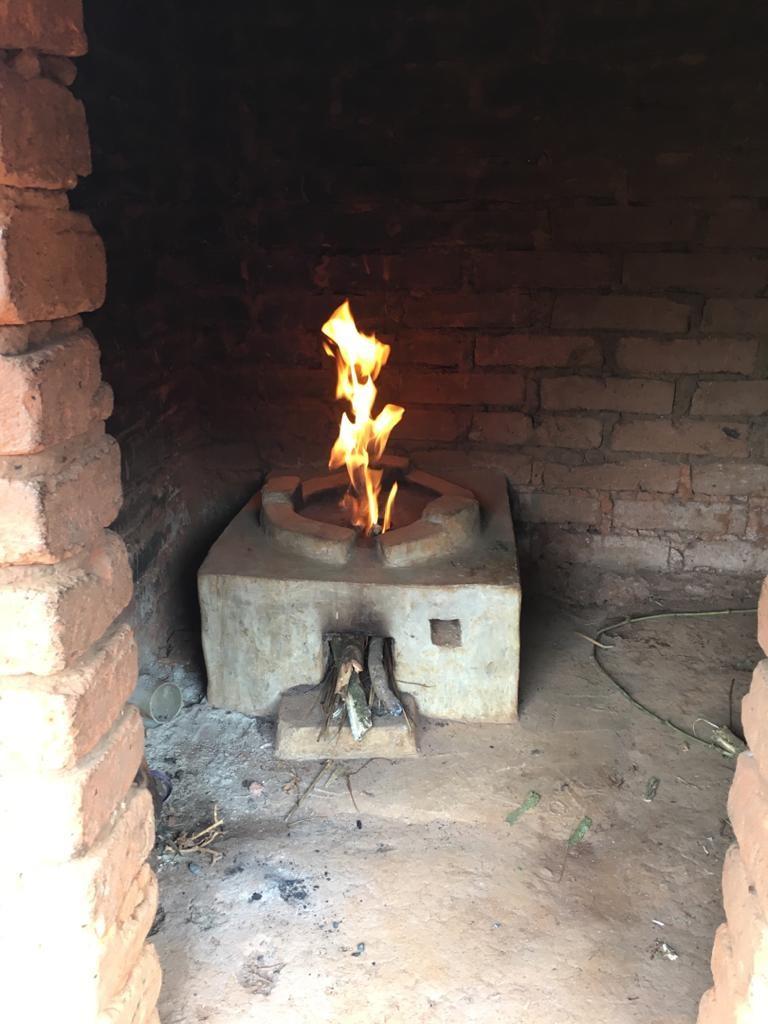
- Alternative energy solutionsExpand use of LPG, solar cookstoves, and fuel-efficient stoves
- Fire prevention programsTrain communities in controlled burning and firebreak techniques
Key Risks
- Flooding causing damage to roads, bridges, and homes
- Poor drainage leading to urban flooding and erosion
- Heatwaves weakening construction materials and affecting public health
Adaptation Strategies
- Climate-resilient infrastructureImprove roads, elevate flood-prone structures, and reinforce bridges
- Improved drainage systemsConstruct lined stormwater canals and promote wetland restoration
- Disaster-resilient housingEncourage elevated homes and use of flood-resistant building materials
- Early warning systemsExpand weather monitoring and develop mobile-based alerts
- Evacuation centersEstablish well-equipped safe spaces with food and medical supplies
Key Risks
- Increased poverty due to climate shocks
- Food insecurity and malnutrition from crop failures
- Water scarcity leading to health and sanitation issues
Adaptation Strategies
- Social safety netsExpand emergency relief programs and crop insurance for farmers
- Community education programsTrain locals on disaster preparedness and climate adaptation
- Livelihood diversificationEncourage entrepreneurship, value-added agriculture, and vocational training
- Water resource managementPromote borehole drilling, rainwater harvesting, and efficient irrigation