

Cyclone Freddy and the Climate Risk Challenge in Malawi
Understanding the meteorological event, cascading impacts, and resilience priorities
An Exceptional Tropical Cyclone in the Indian Ocean
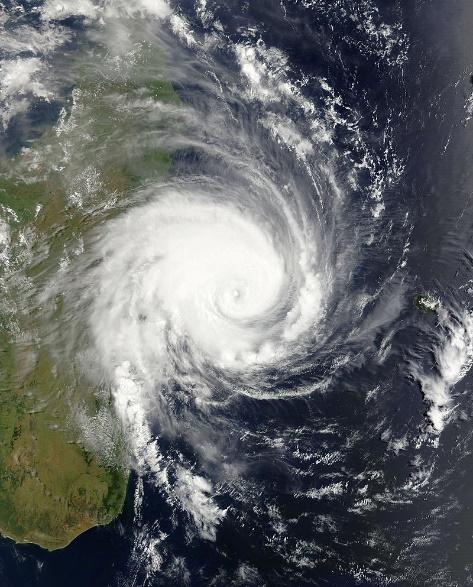
Cyclone Freddy began as a tropical low over the warm waters of the Indian Ocean, near the northwest coast of Australia. As it moved westward, it intensified and became a named tropical cyclone on 4 February 2023.
Freddy became one of the longest-lived and most consequential tropical cyclones recorded in the Southern Hemisphere. Its duration, intensity, and unusual trajectory created a prolonged sequence of hazards across multiple countries.
For meteorological and climate services, Freddy illustrates how high-impact tropical systems can generate cascading risks far beyond the coastline, particularly when extreme rainfall interacts with exposed settlements, degraded catchments, and fragile infrastructure.
A Rare Track, Multiple Landfalls, and Re-Intensification
Freddy reached Category 5 intensity, with maximum winds reported at around 270 km/h. It made landfall in Madagascar on 21 February 2023, weakened after crossing land, and then affected Mozambique three days later.
The system then followed an unusual path. It moved back into the Mozambique Channel, where warm ocean conditions allowed it to regain strength. This re-intensification contributed to further impacts before the system moved inland toward southern Malawi.
Freddy’s final phase was particularly damaging for Malawi. Although wind intensity was lower inland, the system delivered exceptional rainfall over exposed watersheds, triggering floods, landslides, infrastructure failure, and widespread displacement.
Extreme Rainfall and Rapid-Onset Flooding
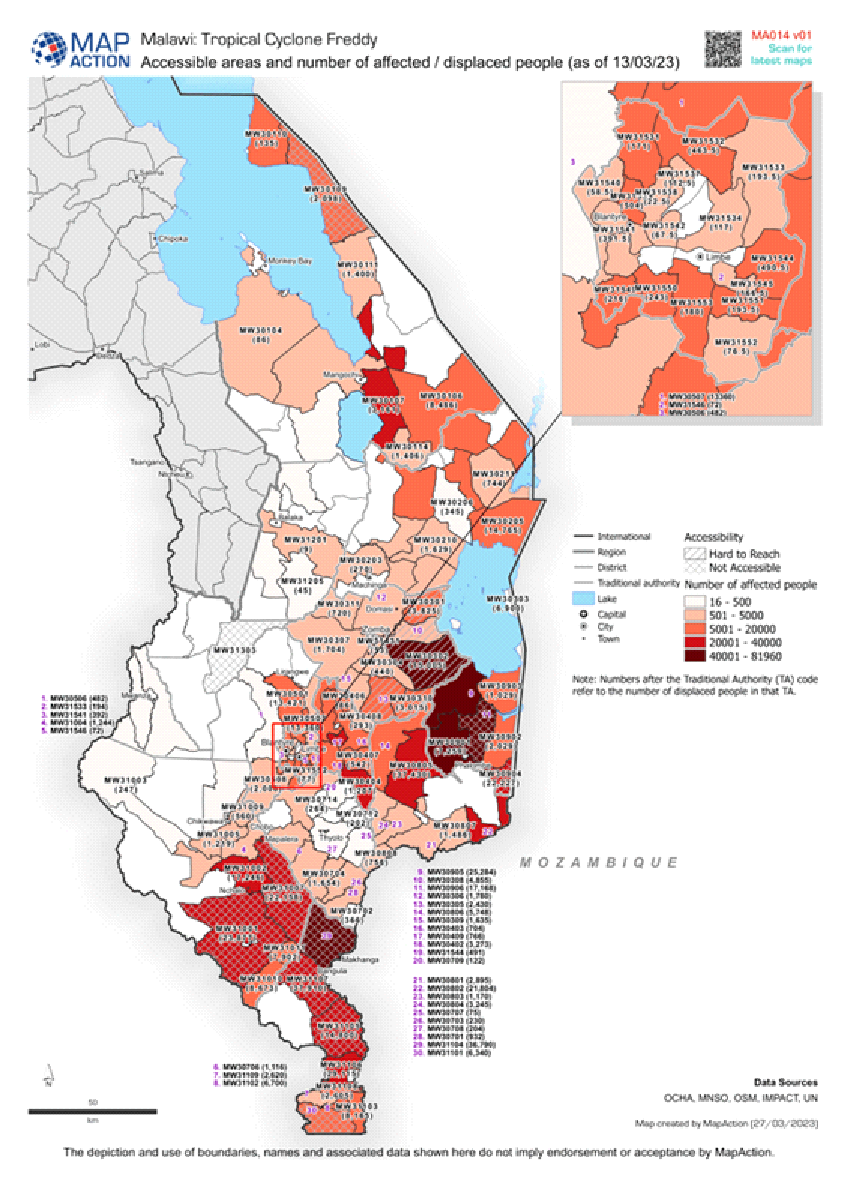
In southern Malawi, the primary hazard was not wind but rainfall. Over a short period, the system produced exceptional accumulations, overwhelming catchments, drainage systems, roads, and settlements.
In six days, rainfall totals were equivalent to several months of normal precipitation in affected areas. Phalombe District recorded approximately 458 mm in 24 hours, while other districts received more than 300 mm in a single day.
More than 430 km² of land was submerged. Rivers overflowed, soils became saturated, and landslides and debris flows swept through communities located on or below unstable slopes.
Human Losses and Widespread Displacement
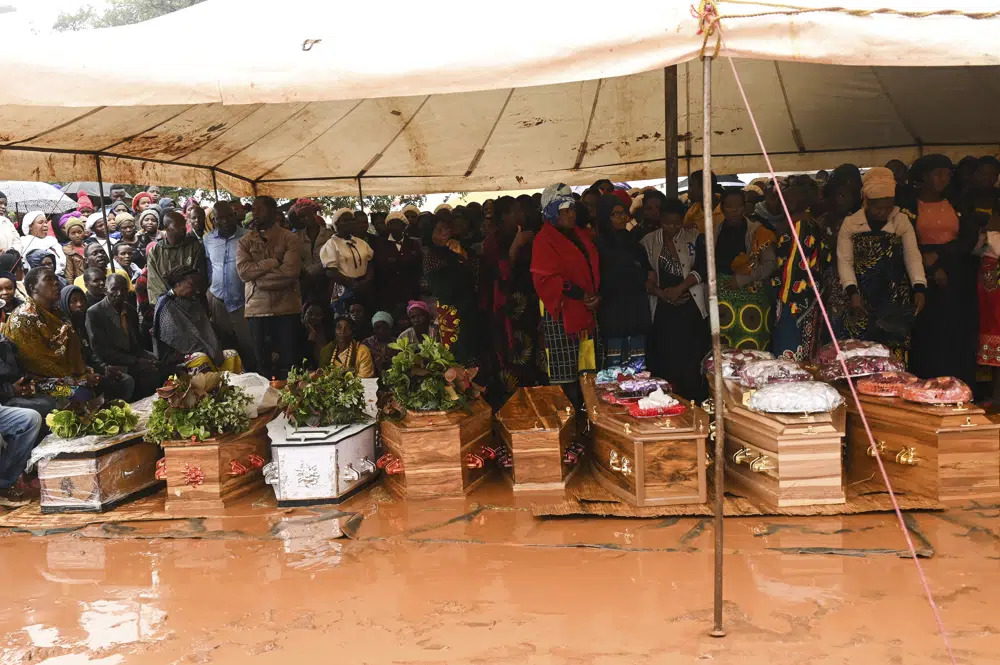
By 5 April 2023, the human impact of Cyclone Freddy in Malawi was severe. Around 1,200 people were reported dead, including 538 people missing and presumed dead, while approximately 1,400 people were injured.
More than 500,000 people were displaced, including around 280,000 children. About 100,000 homes were destroyed, leaving many households without safe shelter, assets, or access to basic services.
The disaster illustrates the high mortality potential of compound events, where extreme rainfall, landslides, weak housing, exposed settlements, and limited evacuation capacity intersect.
Survival Conditions After the Floods
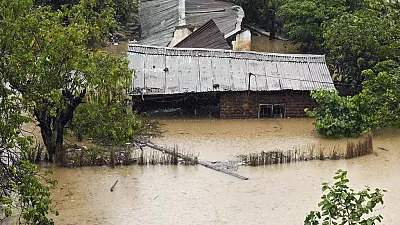
For survivors, the immediate emergency was followed by a second crisis: access to food, safe water, health care, shelter, and electricity.
Flooded roads cut off entire communities, delaying humanitarian assistance and limiting access to markets and health facilities. Contaminated water increased the risk of cholera and other waterborne diseases.
Electricity outages further constrained health services at a time when facilities were already under pressure from injuries, displacement, and disease risk. Pregnant women, children, older people, and people with disabilities faced the greatest risks.
Cascading Impacts on Infrastructure, Agriculture and Health
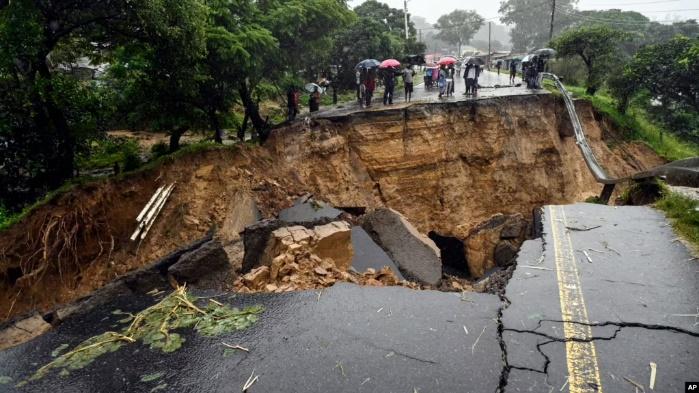
Cyclone Freddy’s impacts extended beyond the immediate flood zone. Around 547 schools were damaged, affecting more than 270,000 students. Sixty-four health facilities were destroyed, and more than 450 km of roads were washed away.
Agriculture was severely affected, with approximately 179,000 hectares of cropland destroyed. For many rural households, this meant the loss of food stocks, income, seeds, and the basis for the next agricultural season.
Infrastructure failure amplified the disaster. Damaged roads and bridges delayed emergency response, disrupted supply chains, and increased the difficulty of restoring services in already vulnerable districts.
Lessons for Climate Services and Adaptation Planning
Cyclone Freddy was not only a humanitarian disaster. It was also a stress test for early warning, disaster preparedness, climate information services, infrastructure planning, catchment management, and social protection systems.
For meteorological and climate professionals, the event highlights the importance of impact-based forecasting: translating rainfall, river flow, soil saturation, landslide susceptibility and exposure data into actionable warnings that communities and decision-makers can use.
For policymakers and the wider public, the lesson is clear: reducing disaster risk requires investment before the next storm. This includes resilient infrastructure, safe settlement planning, restored catchments, evacuation systems, emergency logistics, and support for vulnerable households.
Freddy showed the human cost of climate extremes. It also showed the urgency of turning climate information into preparedness, preparedness into action, and recovery into long-term resilience.