
Fisheries and Aquaculture in a Changing Climate
Climate risks, ecosystem pressures and adaptation priorities for Malawi’s aquatic food systems
A Strategic Sector Under Climate Pressure
Malawi’s fisheries and aquaculture sector is central to national food security, nutrition, employment and local livelihoods. It contributes around 4% of GDP and provides more than 70% of the country’s animal protein intake.
This makes fisheries more than an economic sector: they are a critical component of Malawi’s food system and a key source of resilience for households living around lakes, rivers and wetlands.
Climate change is now placing this system under increasing stress. Floods, droughts, rising temperatures, catchment degradation and water quality decline are affecting fish habitats, aquaculture production, post-harvest value chains and the communities that depend on them.
Floods, Cyclones and Water Quality Risks
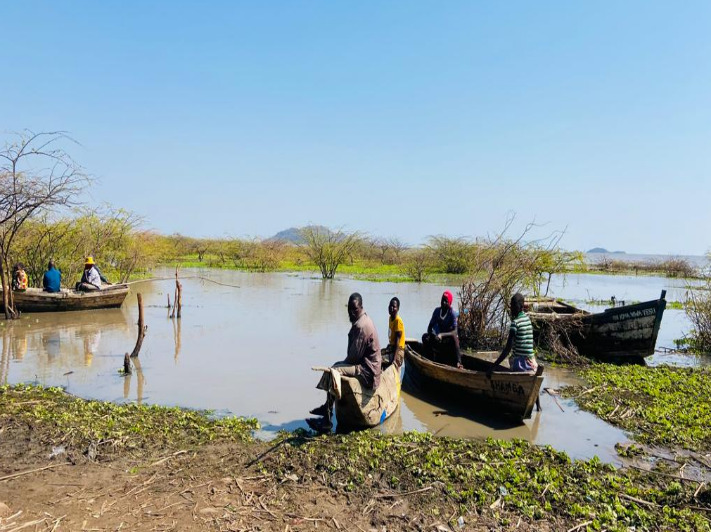
Intense rainfall, cyclones and flood events can damage fishing assets, aquaculture ponds, landing sites and storage infrastructure. Boats, nets, ponds and processing equipment can be lost or rendered unusable, creating immediate economic losses for households and operators.
Floodwaters also affect water quality. They can introduce sediments, waste and pathogens into lakes and rivers, increasing the risk of waterborne diseases such as cholera and diarrhoeal illnesses while placing additional pressure on local health services.
From an ecosystem perspective, heavy runoff can carry silt from degraded catchments into aquatic habitats. When sediment accumulates in breeding and nursery areas, it can reduce fish recruitment and slow the recovery of stocks after a shock.
Drought, Heat and Shrinking Aquatic Habitats
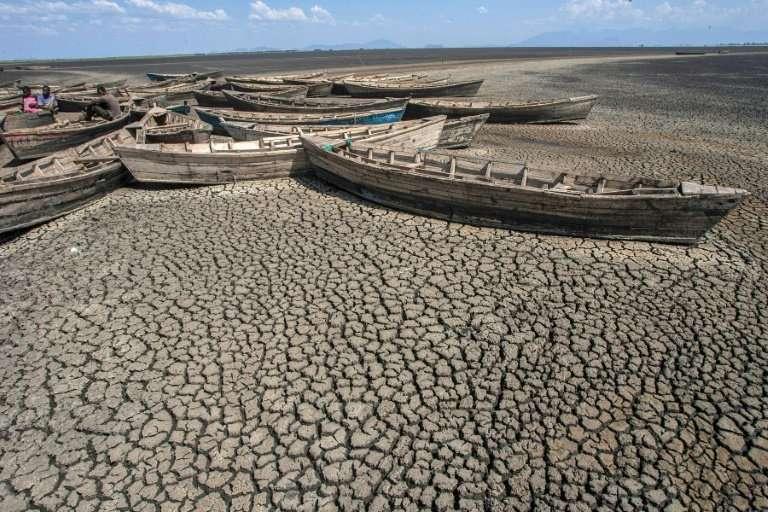
Prolonged dry spells and rising temperatures are altering the hydrological conditions that sustain Malawi’s lakes, rivers and aquaculture systems. Lower water levels reduce available habitat, concentrate pollutants and increase thermal stress for fish.
Lake Chilwa, one of the country’s critical fishing grounds, has dried up several times in recent years. These drying events affect fishing activity, local trade, household income and food availability for a large population living around the lake basin.
In aquaculture systems, water scarcity and high temperatures can force producers to harvest fish before they reach optimal size. This reduces profitability, weakens household income and limits the availability of affordable animal protein.
Economic Vulnerability Along the Fish Value Chain
Fishing communities are highly exposed to climate shocks because many households depend directly on fisheries for income, food and trade. When storms, floods or droughts disrupt production, recovery can be difficult without financial reserves, insurance or external support.
Climate impacts also affect post-harvest systems. During prolonged rainy periods, limited preservation, drying and storage capacity can increase spoilage. Post-harvest losses can exceed 40%, reducing income for fishers, processors and traders.
Women are particularly affected because they play a major role in fish processing, trading and local marketing. Climate-related disruption can therefore reinforce existing inequalities in access to income, finance and recovery support.
Ecosystem Degradation and Nutrition Risks
Climate risk in fisheries is strongly linked to the condition of surrounding ecosystems. Deforestation for charcoal, firewood, farming and construction increases runoff and erosion, which can worsen floods, increase sedimentation and reduce the resilience of aquatic habitats.
Degraded catchments reduce the ability of landscapes to regulate water flows. This makes lakes, rivers and wetlands more vulnerable to both flood pulses and prolonged low-water conditions.
Declining fish stocks are not only an environmental concern. They directly affect nutrition, especially for children and low-income households that depend on fish as an affordable source of animal protein and micronutrients.
Adaptation Priorities for Resilient Aquatic Food Systems
Building resilience in fisheries and aquaculture requires coordinated action across climate services, ecosystem management, infrastructure, livelihoods and governance.
Priority measures include stronger early warning systems for fishers and aquaculture operators, emergency preparedness plans for landing sites and fishing communities, and better integration of weather and climate information into fisheries management.
Restoring forests, wetlands and catchments can help regulate water flows, reduce sedimentation and maintain aquatic habitats. Diversifying livelihoods can reduce dependence on a single climate-sensitive income source, while sustainable fishing practices can support long-term stock recovery.
Adaptation should also be gender-inclusive. Women involved in processing, trading and marketing need access to finance, climate information, storage technologies and recovery support. With targeted investment, Malawi can protect fisheries as a foundation of food security, livelihoods and climate resilience.