

Impact Storylines
Exploring how climate hazards affect people, livelihoods, ecosystems and infrastructure across Malawi.
Real-world impact pathways
Impact storylines translate climate information into concrete narratives of risk. They connect meteorological and climate hazards – such as extreme rainfall, drought, heatwaves, cyclones or landslides – with their consequences for communities, food systems, health services, infrastructure and ecosystems.
Designed for climate and meteorological professionals, scientists, decision-makers and the wider public, they illustrate how climate shocks unfold, why impacts differ across places, and which adaptation measures can reduce future losses.
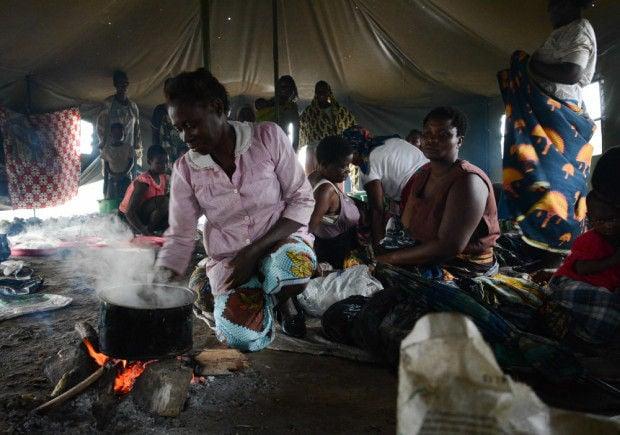
The Unbreakable Spirit of Chikwawa
How repeated floods, droughts and heatwaves affect households, agriculture, health and local resilience in Chikwawa District – and how shocks compound over time.
Open storyline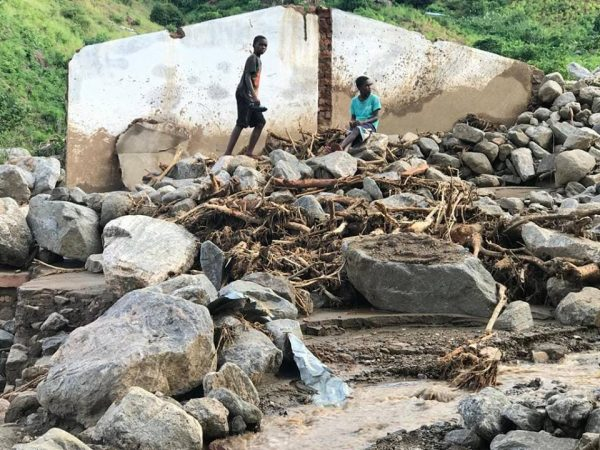
The Landslide Chronicles of Rumphi
Landslide risk in Rumphi District, where steep terrain, intense rainfall, deforestation and exposed settlements combine to create high-impact hazards.
Open storyline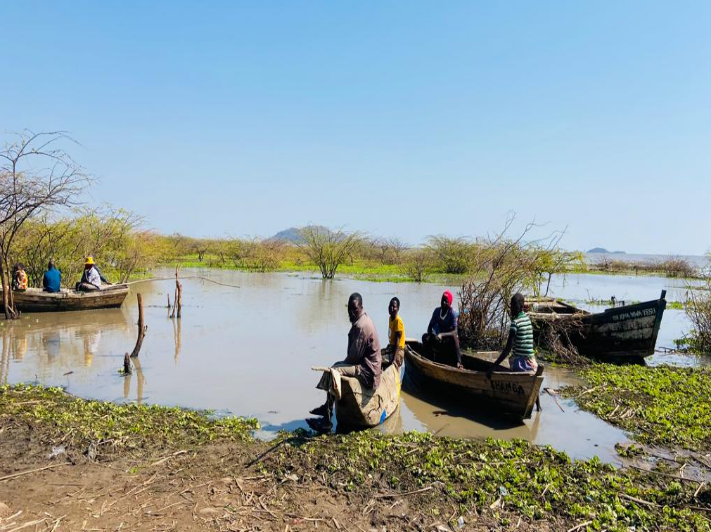
Fisheries and Aquaculture in a Changing Climate
How floods, droughts, rising temperatures and catchment degradation affect Malawi’s fisheries and aquaculture – from water quality to nutrition and livelihoods.
Open storyline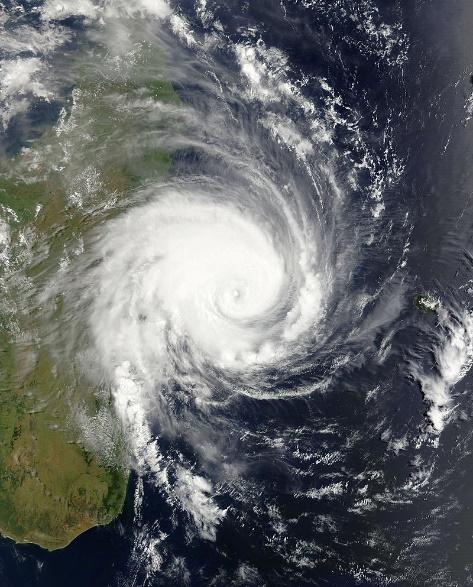
Cyclone Freddy and the Climate Risk Challenge
Cyclone Freddy as a high-impact event combining exceptional rainfall, flooding, landslides and widespread disruption – and the case for impact-based forecasting.
Open storyline